


Ulkoasiainneuvos Kimmo Lähdevirta on toiminut Suomen suurlähettiläänä Intiassa kesäkuusta 2023 alkaen. Hän on suorittanut 175. maanpuolustuskurssin vuonna 2005.
”Intia ei ole ainoastaan suuri markkina, vaan pitkäaikainen kumppani.”
Intia on myös Suomelle strategisesti tärkeä globaali toimija. Intia on maailman väkirikkain maa ja nopeimmin kasvava suuri talous – nyt jo maailman neljänneksi suurin. Sen talouskasvu, laajat markkinat ja nopeasti kehittyvä teknologiaekosysteemi tarjoavat suomalaisille yrityksille merkittäviä mahdollisuuksia. Intia on tärkeä toimitusketjujen monipuolistamisessa ja taloussuhteiden laajentamisessa Euroopan ulkopuolelle.
Suomalaisille yrityksille Intia tarjoaakin mahdollisuuksia pitkäjänteiseen markkina-asemien rakentamiseen, ei ainoastaan vientikohteena vaan myös tuotannon, TKI-yhteistyön ja yhteiskehittämisen alustana. Suomalainen vienti Intiaan perustuu erityisesti korkean lisäarvon tuotteisiin ja palveluihin, joissa laatu, luotettavuus ja tekninen suorituskyky ovat keskeisiä kilpailutekijöitä.
Yritysyhteistyö Intiassa perustuu yhä enemmän paikalliseen läsnäoloon ja yhteisiin investointeihin, mikä avaa suomalaisille yrityksille mahdollisuuksia skaalata liiketoimintaansa globaalisti. Intia toimii suomalaisille yrityksille myös porttina laajempiin Aasian ja globaalin etelän markkinoihin, erityisesti teknologioissa ja digitaalisissa palveluissa.
Intian näkökulmasta Suomi on tunnettu korkeasta osaamisestaan, koulutusjärjestelmästään, tutkimuksesta ja innovaatioista. Suomi on edelläkävijä digitaalisissa ratkaisuissa, 5G- ja 6G-teknologioissa, kvantti- ja suurteholaskennassa, tekoälyssä sekä kiertotaloudessa ja ilmastoratkaisuissa. Nämä alat tukevat Intian omia kansallisia tavoitteita, kuten teollisuuden modernisointia, digitalisaatiota, energiasiirtymää ja kestävää kehitystä. Suomalainen osaaminen tarjoaa Intialle käytännönläheisiä ratkaisuja mittakaavaltaan suuriin haasteisiin. Helmikuussa järjestettävä tekoälyhuippukokous ja loppuvuonna 2026 Intiassa järjestettävä Maailman kiertotalousfoorumi WCEF ja muut korkean tason tapahtumat tarjoavat mahdollisuuden tuoda esille tätä osaamista.
Koulutus ja osaaminen muodostavat keskeisen sillan maiden välillä. Suomi ja Intia tekevät yhteistyötä opettajainkoulutuksessa, oppimisratkaisuissa ja korkeakoulusektorilla. Suomalaisen mallin mukaisia kouluja toimii Intiassa useita ja lisää on tulossa. Osaajien liikkuvuus, tutkimusyhteistyö ja opiskelijavaihto vahvistavat pitkäjänteisesti maiden välistä suhdetta ja luovat pohjaa tulevaisuuden innovaatioille.
Myös globaaleissa kysymyksissä Suomi ja Intia jakavat yhteisiä intressejä. Molemmat tukevat sääntöpohjaista kansainvälistä järjestelmää, monenvälistä yhteistyötä ja YK:n keskeistä roolia. Ilmastonmuutos, luonnonvarojen kestävä käyttö ja puhtaan siirtymän ratkaisut ovat alueita, joilla maiden yhteistyö on konkreettista ja kasvavaa.
Suomen näkökulmasta Intia ei ole ainoastaan suuri markkina, vaan pitkäaikainen kumppani, jonka kanssa rakennetaan kestävää talouskasvua, teknologista kehitystä ja osaamiseen perustuvaa tulevaisuutta. Intialle Suomi tarjoaa luotettavan ja innovatiivisen kumppanin Euroopassa. EU:n ja Intian strateginen kumppanuus, vapaakauppasopimus sekä puolustus- ja turvallisuuskumppanuus luovat edellytykset yhteistyön viemiselle uudelle tasolle.
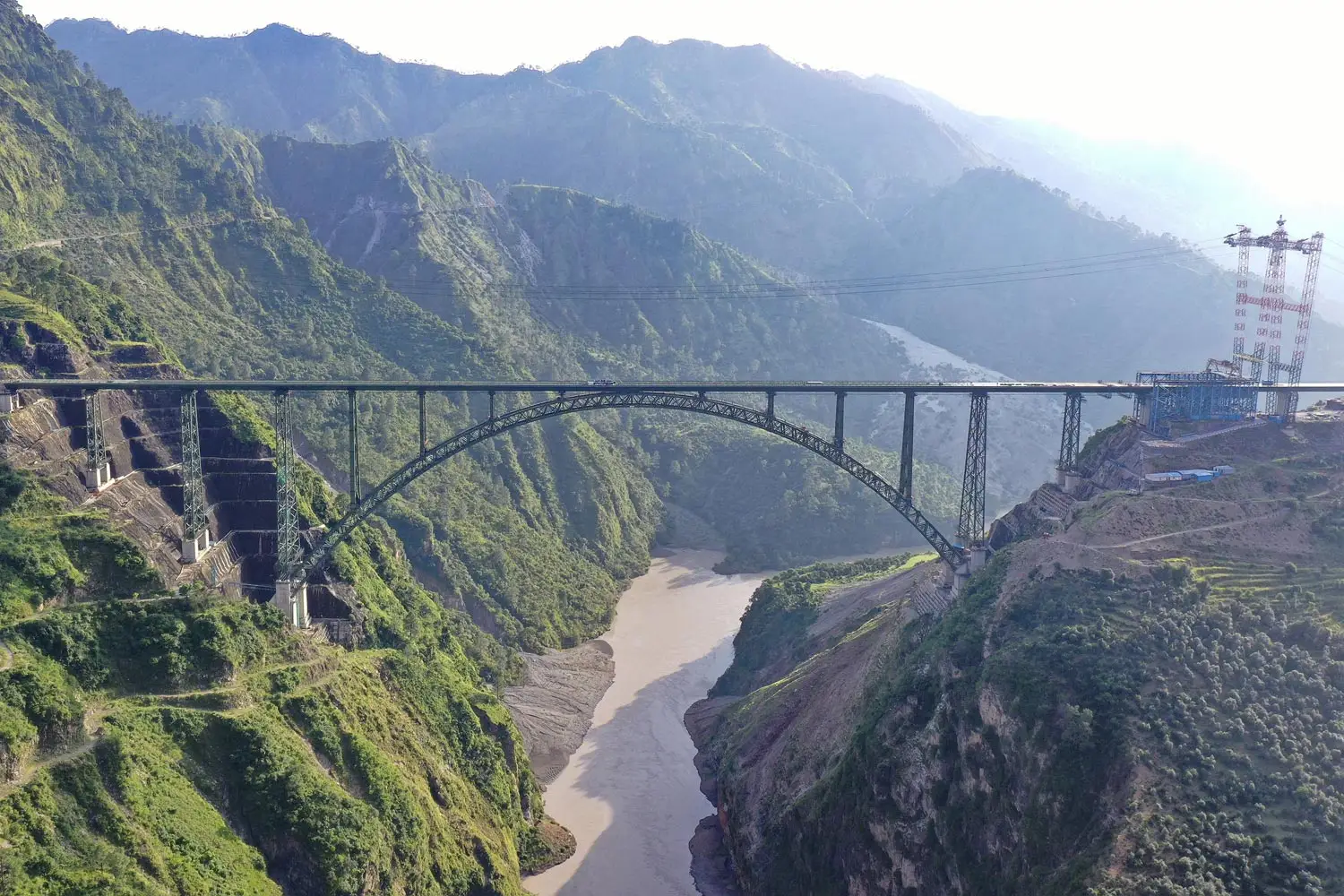
Kuva: Konkan Railway Corporation Limited
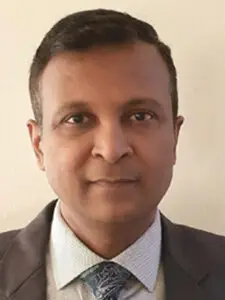
Mr Hemant H. Kotalwar assumed charge as the Ambassador of India to Finland in July 2024. He has previously served as Ambassador to the Czech Republic and held key diplomatic assignments in Brussels, Algiers, Geneva (WTO), and Riyadh.
”Stronger ties between like-minded partners such as India and Finland are essential to navigate the new global economic order.”
On June 6, 2025, a group of Finnish engineers were invited for a special felicitation by the Prime Minister of India, Narendra Modi, during the inauguration of the Chenab Bridge. Rising dramatically over the Chenab River, the bridge stands as the world’s highest railway structure and represents a landmark achievement in modern engineering. Finnish expertise played a meaningful role in its design and execution, underscoring the global collaboration behind this historic project.
Beyond its technical brilliance, the Chenab Bridge is transformative in its impact. It strengthens national integration by connecting the Himalayan region of the Union Territory of Jammu and Kashmir with major cities across India, dramatically improving mobility, trade, and tourism. For the people of this region, who have waited for reliable all-weather connectivity for decades, the bridge symbolizes long-awaited progress, opportunity, and inclusion.
For many Indians, Finland is synonymous with three Ts: Technology, Trust, and Transformation. From Nokia, which has connected millions of Indians — through mobile phones to 5G networks — to Wärtsilä’s sustainable energy solutions and KONE’s innovative urban mobility systems, Finnish technologies have quietly transformed India’s urban landscape.Finnish trust has been evident over decades of collaboration — from supporting Indian scientists in establishing their first Antarctic research station in 1983-84 via the icebreaker Finnpolaris to contributing to landmark projects like the Chenab Bridge in 2025. Over the years, Finland’s expertise has supported India’s growth across sectors, building a strong reputation for reliability, quality, and innovation, and strengthening its role as a natural partner in India’s Viksit Bharat @ 2047—the goal of becoming a fully developed nation by the centenary of independence. Further, the presence of leading Indian technology companies and thousands of Indian professionals in Finland over the past three decades has become a strong pillar of cooperation. These companies and professionals contributing significantly to Finland’s innovation ecosystem, have significantly raised the profile of India in Finland.
Over the past few years, the global economy has changed significantly. The earlier idea, described by Thomas Friedman as a time when the “world is flat,” is giving way to a more inward-looking and fragmented world. The rules-based international system built around institutions such as the World Trade Organization, which worked well for countries like India and Finland, is now under pressure due to tariff wars and the growing weaponisation of supply chains. In this environment, countries that share common values must cooperate more closely to manage risks and respond to global challenges. This is why stronger ties between like-minded partners such as India and Finland are essential to navigate the new global economic order. India’s commitment to concluding the India–EU Free Trade Agreement and deepening strategic cooperation with the European Union highlights the importance of working together in a changing world.
On the eve of the new year 2026, Finnish Prime Minister Petteri Orpo highlighted Finland’s strengths in clean energy, defence manufacturing, and artificial intelligence as pillars for sustainable growth and global competitiveness amid economic concerns. Similarly, India, growing at 7–8% annually as the world’s fourth-largest economy, faces the dual challenge of meeting rising energy demand while transitioning to cleaner sources. Expanding renewable energy and leveraging digital technologies—from smart cities to fintech and e-governance—are central to improving living standards, driving equitable growth, and ensuring long-term resilience in a rapidly evolving economic and technological landscape. By combining these Finnish capabilities with India’s scale and market depth, both countries can expand competitiveness and address global economic opportunities together.
The year 2026 is poised to become a defining milestone in the evolution of India–Finland relations. The unprecedented presence of the President of the European Council, Mr. António Luís Santos da Costa, and the President of the European Commission, Ms. Ursula von der Leyen, as Chief Guests at India’s 77th Republic Day celebrations in January 2026—followed by the visit of Finland’s Prime Minister, Mr. Petteri Orpo, to attend the AI Impact Summit in February 2026 with a high-level business delegation—signals a deepening strategic alignment not only between India and the European Union, but also between India and individual member states such as Finland. As both countries step into this new phase, there is a clear opportunity to translate trust and goodwill into sustained collaboration, linking Finnish innovation with India’s scale and ambition. In an increasingly uncertain world, this partnership stands out for its stability and shared purpose. With continued engagement across governments, businesses, and people, India and Finland can build not only on past achievements, but also new pathways of opportunity for the future.


